


























Retrospective: End of MCC marks a year of challenges and economic consolidation in Cape Verde
The 2025 fiscal year was strongly marked by the notification of the termination of funding from the Millennium Challenge Corporation (MCC), one of the most important international cooperation instruments that Cape Verde has benefited from in the last two decades.
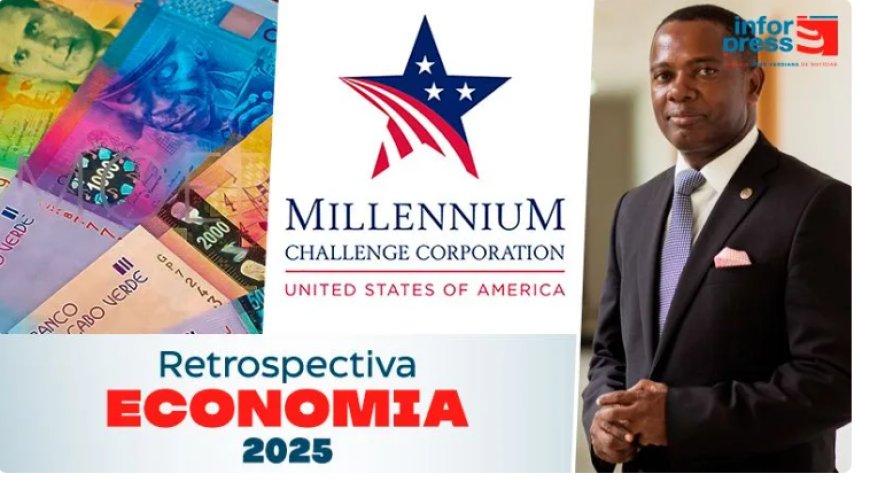
The decision, made public on December 9th, resulted from a global review of the United States' international cooperation policy, which led to a reduction in the MCC's portfolio of programs worldwide.
The funding termination became effective on December 18, 2025.
Despite the impact of the end of the MCC, Cape Verde maintained a positive economic performance in 2025, as the country benefited from the continued growth that began in 2024, a year in which the Gross Domestic Product (GDP) grew by approximately 7.3%, driven mainly by tourism, transport and services.
In the first half of 2025, the economy recorded an estimated growth of 4.9%, with controlled inflation and international reserves sufficient to cover more than seven months of imports, reinforcing macroeconomic stability.
Another important milestone of the year was the announcement on June 25th that Cape Verde is expected to be classified as an upper-middle-income country by the World Bank in 2026, reflecting the positive evolution of economic and social indicators.
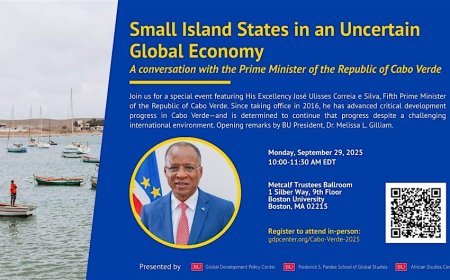
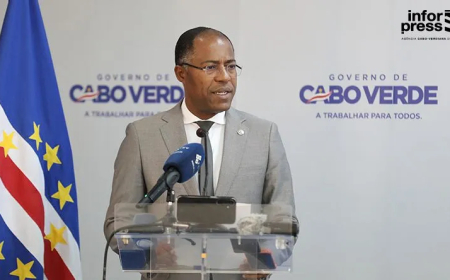
According to Prime Minister Ulisses Correia e Silva, Cape Verde will work with the World Bank Group to define a transition plan, within the framework of the new Partnership Strategy with the country.
In 2025, the International Monetary Fund (IMF) positively assessed the country's economic performance, highlighting progress in fiscal consolidation and the implementation of structural reforms, while advocating for inclusive reforms, economic diversification, and greater participation of women and young people in the economy.
According to the recent edition of the Cape Verde Economic Update 2025, released on June 24th, the inflation rate fell to 1% in 2024, the lowest value in recent years, which contributed to a reduction in the poverty rate to 14.4%.
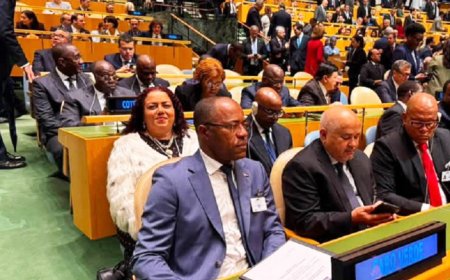
On November 5th, the Deputy Prime Minister and Minister of Finance and Business Development, Olavo Correia, announced that Cape Verde had been elected to lead the Board of Governors of the World Bank (WB) and the International Monetary Fund (IMF) throughout 2025.
This meeting also made it possible to negotiate the World Bank's budget package for Cape Verde for this year, which will amount to 25 million dollars.
During the year, on December 21st, the Government signed a $15 million financing agreement with the International Development Association (IDA), focusing on strengthening economic governance, sustainable growth, and fiscal stability.
Inforpress